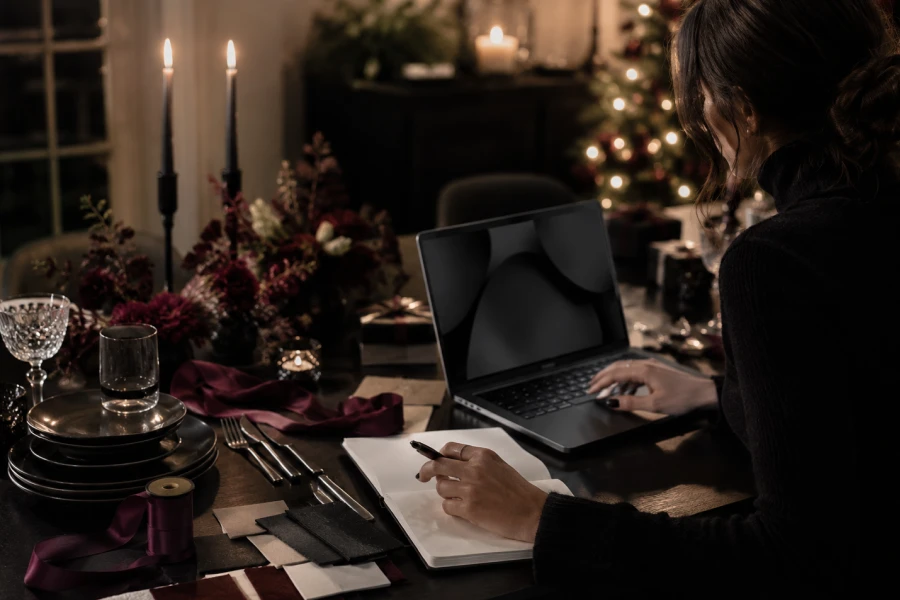
Great hosting starts long before the doorbell rings or the first drink is poured. An ai event hosting plan helps turn vague good intentions into clear, welcoming decisions. It gives hosts a way to consider comfort, timing, preferences, and practical details together. That preparation reduces the small friction points guests often notice immediately. Arrival instructions, seating, temperature, food needs, and flow all shape the first impression. When those elements work smoothly, people can relax more quickly. The host also gains confidence because fewer details are left to chance. A thoughtful plan creates room for warmth instead of frantic improvisation. Every gathering can feel more intentional without becoming overly formal. A hospitality planning system gives that preparation a calm and useful foundation.
Guests begin forming impressions before they fully enter the event. Clear arrival information removes uncertainty around parking, entrances, timing, and what to expect. A warm welcome becomes easier when people are not already solving logistical problems. Consider the first few minutes from the guest’s perspective. Is the entrance easy to find and reasonably comfortable? Will someone greet them, or should there be a visible welcome point? These details matter at intimate dinners and larger celebrations alike. They set the emotional tone before conversation begins. A little preparation can make unfamiliar guests feel included right away. Welcoming arrival moments help the event begin with reassurance instead of confusion. That simple shift can improve the whole gathering.
Every event brings together people with different preferences and practical needs. Some guests may have food allergies, mobility concerns, sensory sensitivities, or social anxiety. Thoughtful hosting does not require treating those needs as complications. It means designing the event so more people can participate comfortably. Food labels, accessible seating, quieter conversation areas, and clear schedules can all help. These choices should feel natural rather than overly announced. When people do not need to explain or apologize for their needs, they can enjoy themselves more. The host also builds trust by showing attention before problems arise. Inclusive hosting details turn hospitality into something more generous and practical. Comfort is often the most memorable part of a gathering.
Guests do not need a packed schedule to have a memorable time. They need an event that moves naturally from one moment to another. That may include a short welcome, casual conversation, food, and an optional activity. The transitions between those moments deserve as much thought as the moments themselves. A sudden shift can leave people unsure where to go or what to do. Clear but relaxed cues help everyone stay oriented. Music, lighting, room setup, and timing can support these transitions quietly. The goal is to prevent awkward pauses without overmanaging the room. Event transition support helps a host create that sense of ease. A well-paced event feels natural because the preparation is largely invisible.
Personal touches can make a gathering feel much more memorable. They do not need to involve elaborate decorations or complicated favors. A favorite snack, suitable playlist, comfortable chair, or meaningful conversation prompt can be enough. The best details reflect actual knowledge of the guests. They signal that people were considered as individuals, not just as attendees. This is especially helpful when inviting groups who may not know one another well. A small connection point can make introductions feel easier and more genuine. Hosts can also use planning tools to think through seating and group dynamics. Personalized guest touches create warmth without making the event feel overly scripted. Guests remember feeling understood more than decorative perfection.
Hosts sometimes focus so intensely on others that they forget their own experience matters. A gathering is difficult to enjoy when every task depends on one person. Preparation should include ways to reduce unnecessary work during the event. Choose food that can be prepared ahead or served simply. Set out essentials before guests arrive, including napkins, water, and serving tools. Consider asking one trusted person to help welcome late arrivals. These choices allow the host to participate rather than constantly manage. Guests often feel more relaxed when the host appears comfortable too. A calmer host can create a naturally warmer atmosphere. Stress-reducing event prep protects that important balance. Hospitality works best when care flows in every direction.
Every event provides useful information for the next one. A host can reflect afterward on what felt smooth and what created friction. Perhaps guests loved the seating arrangement but needed clearer arrival directions. Maybe the food timing worked well, while music made conversation difficult. These observations do not need to become formal criticism. They simply offer practical insight for future gatherings. Asking a trusted guest for informal feedback can reveal helpful details. Over time, a host develops a clearer understanding of what works for their people. Post-event feedback ideas turn experience into smarter preparation. The result is hospitality that grows more confident with every occasion.



Leave a comment