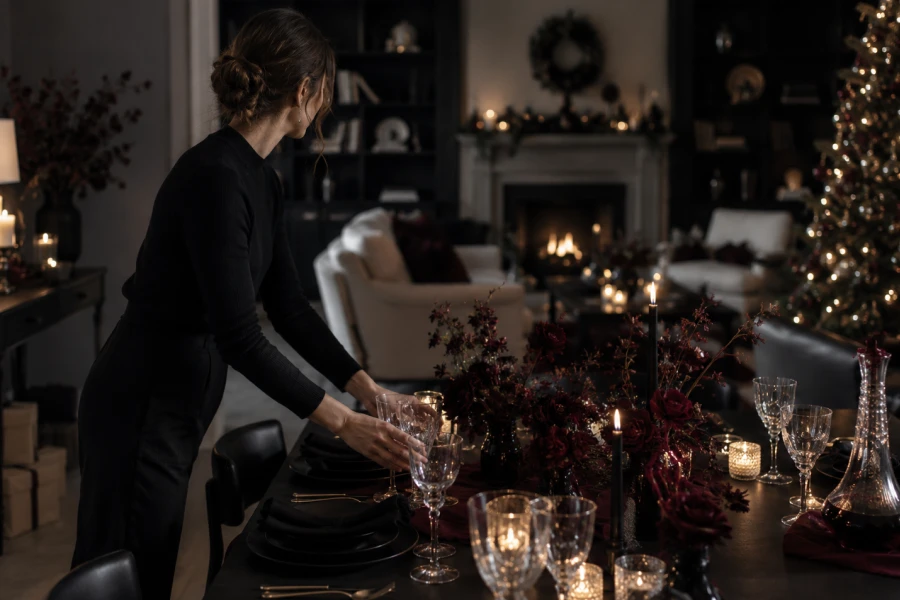
The best gatherings feel easy because someone has considered the details in advance. Guest experience planning focuses on those details before guests have to ask about them. It considers comfort, access, atmosphere, timing, and the small choices that shape participation. This perspective helps a host see the event through another person’s eyes. That shift can reveal potential obstacles that might otherwise stay invisible. A confusing entrance, uncomfortable seat, or unclear food setup can affect the mood quickly. Thoughtful preparation prevents many of those problems without making the event feel rigid. Guests are more likely to settle in when the environment supports them naturally. Hosting becomes less about impressing people and more about helping them belong. A guest comfort planning approach creates that sense of welcome early.
Planning starts with a clear idea of who the gathering is for. Consider the group’s ages, relationships, needs, and comfort with one another. A small dinner for close friends requires different choices than a mixed professional event. The invitation itself can set expectations about dress, timing, food, and overall energy. Clear information helps guests feel prepared instead of uncertain. It also gives them a chance to share important preferences beforehand. A host can use those responses to make better choices later. This attention is not overly formal when it is communicated warmly. It simply helps everyone arrive with confidence. Accessibility-aware entertaining begins with asking useful questions early. That kind of consideration makes inclusion easier from the start.
The arrival stage deserves more attention than many hosts realize. Guests may be navigating unfamiliar streets, carrying bags, managing children, or arriving after work. Small complications can make people feel unsettled before the event begins. Clear directions and a visible entrance reduce that pressure immediately. A welcoming face, a comfortable place to put coats, and easy access to water can help. These gestures communicate that people have been expected and considered. They also give guests a moment to orient themselves before joining conversation. The host does not need a perfect script for this moment. Warmth and clarity matter more than performance. Welcoming arrival moments transform a threshold into part of the hospitality.
Atmosphere can influence how quickly people relax and connect. Lighting, music, scent, temperature, and seating all affect comfort in quiet ways. The goal is not to create a highly styled environment. It is to make the space feel pleasant and easy to use. Music should support conversation rather than force people to raise their voices. Lighting should help guests see one another without feeling harsh. Seating should allow people to join groups without feeling trapped. These choices become especially important when guests do not know each other well. A thoughtful environment encourages people to stay present longer. Sensory hosting touches help create that comfortable background. When atmosphere works well, guests may not even notice the effort behind it.
Group dynamics can determine whether an event feels effortless or awkward. A host cannot control every conversation, but they can create better conditions. Seating placement, arrival timing, and simple introductions can all shape interaction. Consider which guests may enjoy talking together and who might need an easy connection point. Mixed groups benefit from a few shared topics or low-pressure activities. These should invite participation without forcing people into performance. A host can also avoid putting newcomers in isolated seats or unclear roles. Small choices can make the difference between watching and belonging. Thoughtful seating strategy supports warmer conversations across the room. The strongest gatherings make connection feel possible without making it compulsory.
Food often becomes the center of an event, even when it is not the main activity. Guests feel more comfortable when they understand what is available and when. A host does not need to announce every detail formally. Gentle cues can communicate when food is ready or where refreshments are located. Consider allergies, dietary preferences, and the practical ease of serving. A self-serve setup may work well for some gatherings. For others, a seated meal creates a more relaxed pace. Timing matters because guests have different hunger levels and arrival schedules. A smooth food rhythm helps people focus on one another instead of logistics. Inclusive hosting details make these choices more considerate. Good hospitality treats food as part of comfort, not merely presentation.
The final minutes of a gathering can shape the memory of the entire experience. Guests should not feel rushed out or uncertain about the ending. A clear closing rhythm helps people leave comfortably and safely. This might include offering coats, checking transportation, or simply thanking people personally. The host can also note what created the best moments during the event. Did guests enjoy a certain activity, seating arrangement, or meal format? Those observations are useful for future planning. A short message afterward can extend the warmth beyond the occasion. It reminds guests that their presence mattered. A hospitality planning system makes these insights easier to carry forward. Thoughtful hosting lives in the welcome, the experience, and the farewell.



Leave a comment