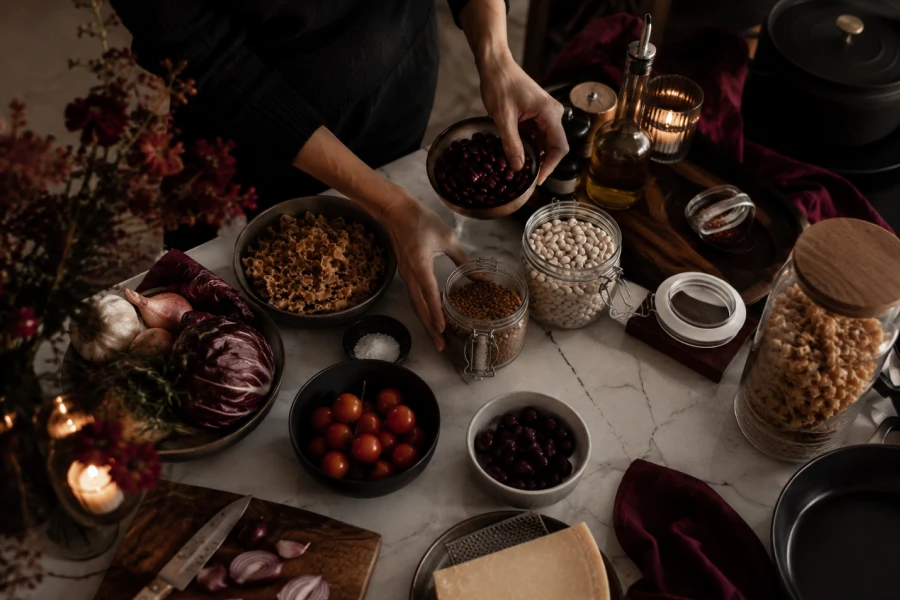
A well-stocked kitchen can make difficult evenings feel surprisingly manageable. Pantry staple dinner planning helps households notice ingredients before reaching for another rushed solution. It begins with a simple inventory of foods that already offer possibility. Beans, grains, canned tomatoes, broth, spices, and frozen produce can anchor satisfying meals. These staples do not need to feel boring or repetitive. They become useful when paired with a clear idea for the week. This approach can reduce unnecessary spending and food waste at the same time. It also makes dinner planning feel less dependent on perfect grocery trips. A few reliable building blocks create confidence when schedules get crowded. A pantry-friendly comfort meals collection makes those ingredients easier to turn into family favorites.
Many ingredients become more useful when they are assigned more than one role. A bag of rice can support bowls, soups, casseroles, and quick skillet meals. Canned beans can add substance to tacos, salads, or a simple chili. Frozen vegetables can join nearly any meal without extra chopping. The key is choosing versatile staples that fit the household’s tastes. This reduces the pressure to shop for a completely new recipe each night. Families can prepare one base ingredient and change the seasoning or presentation. That technique keeps meals practical while avoiding unnecessary repetition. A practical grocery planning habit can make each pantry restock more intentional. The kitchen gradually becomes a resource rather than a source of stress.
Last-minute decisions often lead to unnecessary spending and familiar frustration. A pantry-first plan changes the question from what should we buy to what can we make. This subtle shift encourages creativity within realistic limits. Families can choose two or three meal ideas before the week begins. They can also identify one backup meal for especially demanding evenings. Pasta with vegetables, bean quesadillas, or soup can fill that role easily. A backup prevents the plan from collapsing when time disappears unexpectedly. It also gives everyone a sense of security during hectic weeks. Dinner decision relief comes from knowing there is always a workable next step. That confidence can change how the entire evening feels.
Comfort often comes from familiar aromas, warm textures, and food served with care. It does not require complicated presentation or expensive specialty ingredients. A simple baked potato bar can feel generous with thoughtful toppings. Soup and grilled sandwiches can create the same sense of ease. Even breakfast foods can bring people together after a difficult day. The most effective meals are often those that everyone recognizes and enjoys. Planning can protect those dishes from becoming an afterthought. It lets families choose comfort intentionally instead of settling for whatever happens fastest. A stress-free dinner routine makes comforting choices easier to repeat. That reliability can matter more than novelty when life feels full.
Using pantry staples does not mean families must repeat the same meals forever. One dependable ingredient can lead to several different flavor directions. Chickpeas can become a curry, a roasted topping, or a hearty salad base. Pasta sauce can support baked vegetables, a soup, or a skillet meal. Small changes in herbs, toppings, or sides can refresh a familiar meal. Children can help choose one new flavor to try each week. That makes experimentation feel low-risk and collaborative. The family keeps its reliable favorites while slowly widening its repertoire. A kid-friendly meal planning approach gives everyone a comfortable role in discovery. Curiosity becomes easier when dinner does not feel overly complicated.
Leftovers work best when they are treated as part of the original plan. Rather than viewing them as a compromise, families can decide their second use early. Roast vegetables can become a frittata, grain bowl, or filling for wraps. Extra rice can support fried rice or a quick breakfast dish. Cooked chicken can appear again in soup, salads, or sandwiches. This makes one cooking session more valuable without asking people to eat identical plates twice. It also reduces the chance that food disappears behind newer groceries. Planning for leftovers can make weekdays calmer and shopping trips shorter. A weekly dinner organization routine keeps those opportunities visible. The result is a kitchen that feels efficient and welcoming together.
Confidence in the kitchen comes from noticing what already works. Families do not need advanced techniques to prepare satisfying meals consistently. They need a few dependable ideas, flexible ingredients, and permission to keep things simple. Each successful dinner reinforces the next one. Over time, cooking becomes less about following exact instructions and more about making useful choices. Parents can model calm problem-solving when plans change unexpectedly. Children see that dinner can be created rather than ordered. This mindset makes the kitchen feel like a shared resource for the household. A balanced family meal rhythm grows from those ordinary moments of confidence. The best pantry plan makes home feel prepared, even on busy days.




Leave a comment