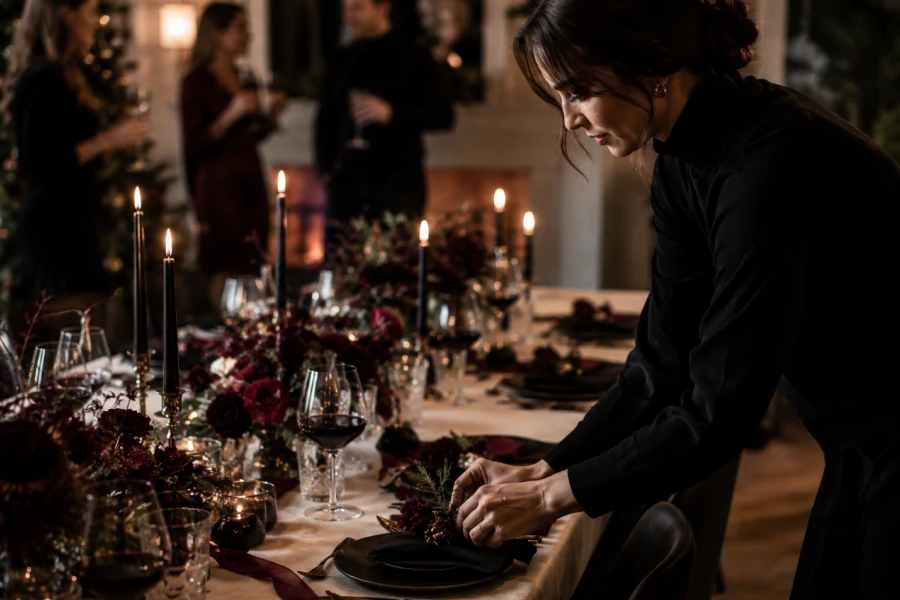
Guests remember how a gathering made them feel more than they remember individual decorations. Personalized event hospitality creates that feeling through thoughtful, specific decisions. It notices preferences, comfort needs, and the small moments that help people relax. The goal is not to create a different event for every guest. It is to make the shared experience feel welcoming to the people present. A remembered favorite drink or comfortable seating choice can communicate real attention. So can clear information that removes unnecessary uncertainty. These details show care without demanding spotlight or recognition. Hospitality becomes more meaningful when it feels human rather than generic. A warm gathering atmosphere often begins with these quiet gestures.
Personalization works best when it grows from information people freely share. A host might know about dietary needs, mobility considerations, or favorite interests. That knowledge can shape the event in simple, useful ways. It might influence the menu, seating plan, music, or timing of activities. The aim is never to make guests feel studied. Instead, it is to remove barriers and add comfort naturally. A person who sees an appropriate food option feels considered. Someone who receives clear access information can arrive with less anxiety. These choices make participation easier without requiring extra explanation. Guest comfort planning turns listening into practical care. The most effective hospitality often feels invisible because it simply works.
New guests may arrive without the shared history that connects everyone else. This can make an otherwise warm event feel intimidating. A host can reduce that pressure through thoughtful introductions and simple connection points. Mentioning a shared interest gives conversation an easy place to begin. Seating someone near a welcoming person can also make a large difference. The host does not need to manage every interaction after that. They only need to create a more comfortable first bridge. Clear cues about food, activities, and the flow of the event help too. These moments reduce the feeling of being an outsider. Personalized guest touches can make a new attendee feel expected rather than added later. Inclusion begins with small social signals.
Hospitality includes more than offering food and a place to sit. It also involves noticing the physical environment and emotional tone. Is the room too loud for conversation or too warm for comfort? Are there seats available for guests who cannot stand long? Can someone find a quieter space if they need a break? These questions help hosts design events for a broader range of people. They also show that care can be practical, not just decorative. A comfortable environment gives guests more freedom to participate naturally. It allows people to focus on connection instead of managing discomfort. Accessibility-aware entertaining makes this kind of attention easier to plan. The result is a gathering where more people can fully enjoy themselves.
Timing shapes how people experience nearly every part of a gathering. A meal served too late can make guests distracted. An activity introduced too quickly can leave people feeling rushed. A long pause without context can create uncertainty. Hosts can prevent much of this by thinking through the event’s natural rhythm. That does not require a minute-by-minute schedule. It simply means recognizing where guests may need direction, rest, or refreshment. Flexible timing also lets the host respond to the energy in the room. A well-paced event feels relaxed because its transitions feel considered. Event transition support gives those moments a more natural shape. Good timing helps guests stay comfortable without noticing the structure beneath it.
Too many personalized elements can make an event feel overly staged. The most effective approach is selective and sincere. Choose a few details that will matter rather than trying to anticipate everything. A favorite dessert, meaningful song, or seat near a close friend may be enough. These gestures work because they connect directly to the guest’s experience. They do not need a public announcement to have value. In fact, quiet details often feel more natural and considerate. A host should also leave room for spontaneity and unexpected conversation. The event remains shared, even when it includes individual care. Thoughtful seating strategy offers one subtle way to personalize without overwhelming the room. Less can feel more meaningful when the choices are right.
Guests learn what to expect from a host through repeated experiences. When events consistently feel comfortable and considered, people arrive more open and relaxed. They trust that practical needs will be handled respectfully. They also understand that their presence is genuinely valued. This trust can make future gatherings easier for everyone involved. Hosts gain confidence because they learn which details matter most. Guests feel more willing to contribute, connect, and enjoy the moment. The relationship between host and guest becomes warmer through those repeated signals of care. Post-event feedback ideas can strengthen that learning process. Personal hospitality is not about perfection; it is about building a reputation for thoughtful welcome.



Leave a comment