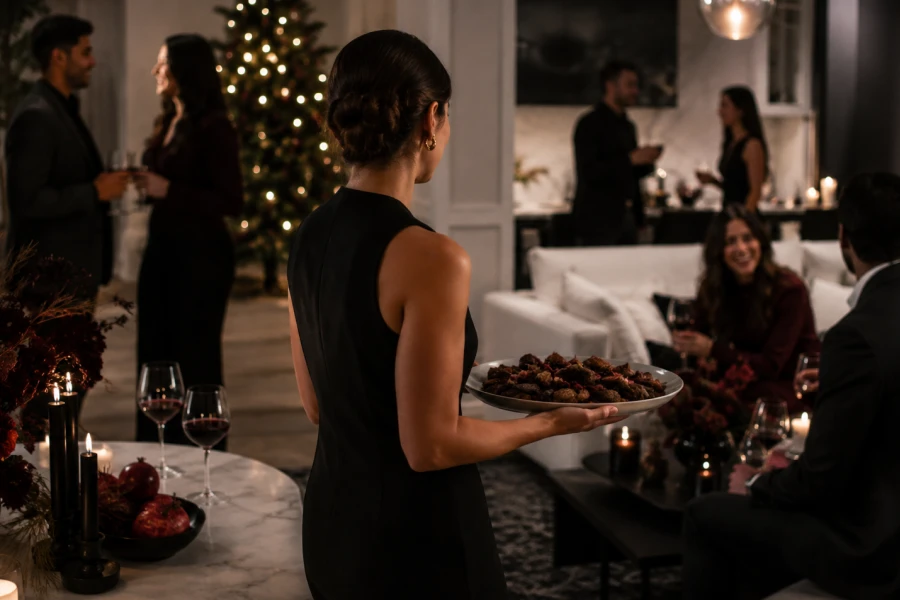
Guests rarely describe a great event by listing each activity in order. They remember whether the experience felt comfortable, connected, and easy to follow. Seamless party flow helps create that feeling by smoothing the transitions between moments. It gives people a sense of what is happening without making the event feel tightly controlled. Arrival, introductions, food, conversation, and closing all benefit from thoughtful pacing. When these parts connect naturally, guests can focus on enjoying one another. The host also avoids the pressure of repeatedly redirecting the room. A good flow leaves space for spontaneity while preventing confusion. That balance makes gatherings feel relaxed instead of loosely organized. A stress-reducing event prep routine gives the day a steadier foundation.
The opening minutes tell guests how much structure to expect. A gentle beginning gives people time to settle, greet one another, and understand the space. This may include drinks, music, an easy welcome, or a simple place to gather. The host does not need to launch directly into the main activity. Giving guests a small transition from travel into social time can improve comfort. It also lets late arrivals join without disrupting anything important. A clear starting zone makes the room feel easier to navigate. These choices are especially useful when guests come from different parts of a host’s life. Welcoming arrival moments create that first layer of ease. A calm opening gives the entire event a better rhythm.
Guests appreciate direction when it does not feel like instruction. A host can use small cues to guide the event naturally. Music changes, lighting shifts, food placement, or a warm announcement can signal a new moment. These cues help people understand when to move, gather, or settle. They also reduce the awkwardness of wondering what happens next. The best transitions are clear enough to be helpful and relaxed enough to feel natural. A host might simply invite everyone toward the table when food is ready. Another moment may call for moving chairs closer together for a toast. Event transition support makes those changes easier to manage. The room feels more coordinated without losing its sense of freedom.
Food affects flow because it influences where people stand, sit, and talk. A casual gathering may benefit from easy shared plates and flexible timing. A milestone dinner might feel better with a more defined meal moment. The choice should reflect the kind of interaction the host wants to encourage. Guests need enough clarity to know when and how they can eat. They also need options that respect dietary needs without creating separation. A thoughtful setup can keep conversation moving instead of creating bottlenecks. Water, napkins, and serving tools should be easy to find. These practical details protect the social mood of the event. Inclusive hosting details make food service feel easier for everyone. Good hosting lets guests focus on people instead of logistics.
Space can quietly direct how guests move and interact. Creating simple zones helps the event feel organized without adding signs or instructions. One area can support food, another conversation, and another quiet breaks. These spaces do not need to be large or formally designed. They simply need clear purpose and enough room to use comfortably. Seating should invite people to join rather than create isolated corners. A little open space can also prevent groups from feeling crowded. Hosts can think about traffic patterns before guests arrive. This makes serving, greeting, and gathering much easier later. Guest comfort planning turns room arrangement into a form of welcome. Comfortable spaces make social connection feel more natural.
Not every guest wants the same pace or level of attention. Some people enjoy being first on the dance floor or leading conversation. Others prefer quieter chats and time to observe before joining in. A well-planned event makes room for both styles. Optional activities work better than forced participation in many mixed groups. Hosts can create multiple ways to engage without dividing the room. A conversation-friendly corner, low-pressure game, or shared food table can provide choices. These options allow guests to find their own comfortable rhythm. They also reduce the pressure on the host to entertain constantly. Sensory hosting touches can support this flexibility through sound, lighting, and atmosphere. Inclusion often looks like giving people more than one way to belong.
An event ending can feel abrupt when there is no natural transition toward departure. Guests may hesitate, unsure whether they should leave or stay longer. A host can make the close feel warm by offering small cues. Dessert, a final toast, a change in music, or a personal thank-you can signal completion. These moments allow guests to leave with a sense of closure rather than uncertainty. They also give the host a chance to express appreciation directly. Practical support matters here as well, especially around coats, transportation, or late departures. A considerate farewell can shape the final memory of the event. Post-event feedback ideas help hosts learn what made that closing feel successful. The best gatherings end with warmth that continues after the door closes.



Leave a comment