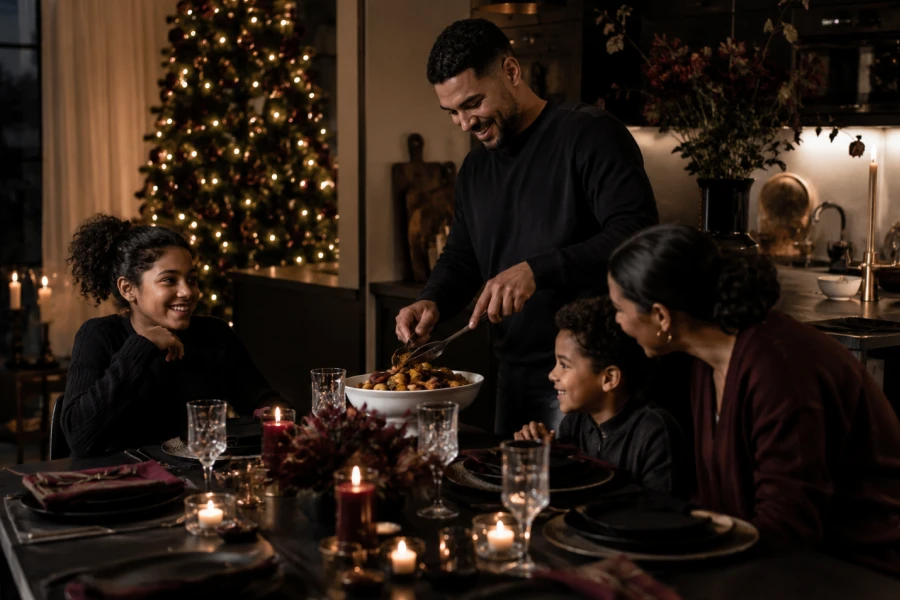
Some of the most meaningful family moments begin before anyone sits down to eat. Cozy family meal planning gives those moments a stronger chance to happen regularly. It replaces scattered decisions with a gentler framework for the week ahead. Rather than chasing a perfect menu, households can focus on meals that feel manageable. This approach respects different appetites, busy schedules, and changing energy levels. It also makes room for familiar favorites beside something new. Planning reduces the friction that can make dinner feel like another obligation. When less energy goes toward deciding, more remains for connecting. A simple plan can turn cooking into a transition from hurry to comfort. A weekly dinner organization system supports that shift without demanding complicated routines.
Families often abandon meal plans because the original version asks too much. Seven elaborate dinners may sound appealing on Sunday and impossible by Wednesday. A better approach includes easy meals, flexible nights, and room for leftovers. It acknowledges that not every evening arrives with the same energy. One night may need sandwiches and fruit instead of a full cooked meal. Another may invite a longer recipe because everyone is home. The plan succeeds when it can bend without breaking. This mindset keeps households from treating a changed schedule as failure. A flexible meal prep support system gives families useful options without adding pressure. Consistency grows when the plan is kind enough to survive real life.
Rituals do not require candles, special plates, or a flawless dining room. They can begin with a favorite soup night or a shared Friday pizza ritual. Repetition creates comfort because everyone knows what to expect. Children especially benefit from routines that feel dependable and welcoming. Adults can also find relief in having a few reliable anchors each week. These meals become small landmarks in the household calendar. They invite stories, questions, and pauses that might otherwise disappear. A recurring family favorite can even reduce complaints at the table. With balanced family meal rhythm, routine becomes a source of warmth rather than boredom. The point is not sameness, but a familiar rhythm that feels good.
A meal plan works better when it notices who lives inside the household. One person may prefer bold flavors while another needs meals served simply. A child may love helping with breakfast-for-dinner but avoid mixed textures. These details can shape smarter choices without requiring separate menus every night. Families can build meals with flexible components when preferences differ. Tacos, grain bowls, soups, and baked potato bars offer practical examples. Everyone can personalize a plate while still eating together. That structure keeps dinner more peaceful and less wasteful. A dinner decision relief method helps adults move beyond guessing what will work. Understanding preferences also turns planning into an act of care.
A kitchen feels more inviting when its ingredients have a clear purpose. Planning meals around staples prevents cupboards from becoming cluttered and confusing. It encourages families to use food before it gets forgotten. This can include choosing one vegetable for multiple meals or repurposing leftovers creatively. A roast chicken might become sandwiches, soup, or a quick grain bowl. Cooked rice can support a stir-fry, breakfast skillet, or stuffed peppers. These overlaps save time without making meals feel repetitive. They also make shopping easier because fewer ingredients work harder. Smarter kitchen planning helps households see possibility in what they already own. Over time, that confidence can make everyday cooking feel much more enjoyable.
A planning tool should disappear once dinner begins. Its role is to make space for people, not dominate the evening. A prepared meal leaves more attention for noticing moods and asking questions. It also lowers the chance that cooking turns into rushed multitasking. Families do not need long conversations for dinner to matter. A few minutes of presence can still carry real value. Sharing one good thing from the day creates a simple habit. So does allowing everyone to help clear the table afterward. The most memorable meals often feel ordinary while they are happening. Their significance becomes clear later, when they are remembered as part of home.
Family life changes constantly, so no meal plan should stay frozen forever. School schedules change, food preferences evolve, and responsibilities shift between people. A useful routine makes adjustment feel normal rather than disruptive. Families can revisit their plan each week with a few honest questions. Which meals felt easy, and which ones created stress? What ingredient went unused, and what dinner deserved a repeat? These observations turn planning into a responsive household habit. They also help everyone feel heard in small practical ways. A family dinner planning bundle offers a helpful foundation for those changes. The result is a home routine that becomes more supportive over time.




Leave a comment